Back to top

Heat Pumps

About Heat Pumps

Air Source Heat Pumps (ASHP) are energy-efficient heating and cooling systems that extract heat from the outside air and transfer it into a building (for heating) or vice versa (for cooling). They are considered a sustainable and eco-friendly alternative to traditional heating and cooling methods such as gas boilers or air conditioners. Here's a breakdown of how they work and their benefits:

How Air Source Heat Pumps Work:

1. Heat Extraction (Heating Mode):

  • The pump draws air from the outside, even in cold weather (they can operate in temperatures as low as -20°C or lower).
  • The outside air passes over the evaporator coils, where a refrigerant absorbs the heat from the air and evaporates.
  • The refrigerant, now in gas form, is compressed to increase its temperature and pressure.
  • This high-temperature gas is then passed through the condenser coils inside the building, where it releases heat into the building’s heating system (e.g., radiators, underfloor heating).
  • The refrigerant cools down, condenses back into a liquid, and the cycle repeats.

2. Heat Rejection (Cooling Mode):

  • When the heat pump is in cooling mode, the process is reversed. The pump extracts heat from inside the building and releases it outside, similar to how an air conditioner works.

Types of Air Source Heat Pumps:

1. Air-to-Air Heat Pumps:

  • Transfer heat from outside air to indoor air. They do not provide hot water but are typically used for space heating and cooling.

2. Air-to-Water Heat Pumps:

  • Transfer heat from the outside air to a water-based system. These can provide both space heating and hot water.
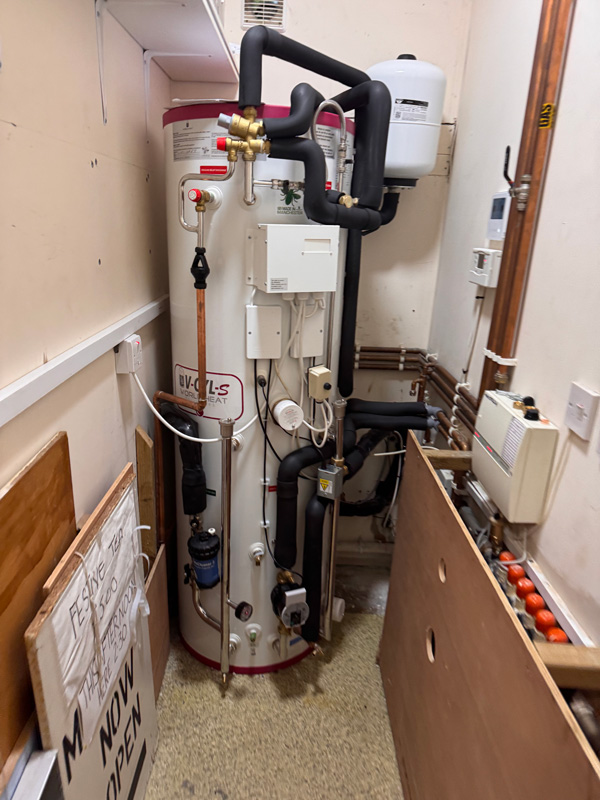
Image of Solar Air UK Image of Solar Air UK

Advantages of Air Source Heat Pumps:

1. Energy Efficiency:

  • ASHPs can produce more energy than they consume. For every unit of electricity used, they can provide multiple units of heat, making them highly efficient (often 3 to 4 times more efficient than traditional heating methods).

2. Eco-Friendly:

  • Air Source Heat Pumps are much more environmentally friendly than fossil fuel-based systems. They emit fewer greenhouse gases, especially when powered by renewable electricity sources.

3. Cost Savings:

  • While the initial installation can be expensive, over time, an ASHP can save significant amounts on heating bills due to its high efficiency and reduced energy consumption.

4. Cooling Capabilities:

  • In addition to heating, ASHPs can also provide cooling during hot weather, making them a versatile, all-in-one solution for temperature control.

5. Low Maintenance:

  • ASHPs require relatively little maintenance compared to traditional heating systems. Annual servicing is typically enough to keep them running smoothly.

6. Incentives and Grants:

  • In many countries, government incentives, grants, or subsidies are available to encourage the use of renewable heating systems like ASHPs, reducing the initial installation cost.

Disadvantages of Air Source Heat Pumps:

1. Higher Initial Costs:

  • The installation of an ASHP can be more expensive than traditional heating systems, though this is offset over time through lower running costs.

2. Performance in Very Cold Climates:

  • Although modern ASHPs are designed to work in temperatures as low as -20°C, their efficiency can decrease in extremely cold weather. In such conditions, a supplementary heating system might be required.

3. Space Requirements:

  • The outdoor unit of the heat pump requires space for installation and needs proper clearance to ensure optimal airflow and efficiency.

4. Noise:

  • Some models can be relatively noisy, especially the outdoor units, though newer systems are designed to be quieter than older models.

5. Aesthetic Considerations:

  • The outdoor units are large and can be considered visually intrusive if not well-integrated into the environment.

Suitability for Different Applications:

  • Homes: ASHPs are ideal for homes, especially those with underfloor heating or large radiators that can work efficiently with lower-temperature heat sources.
  • Commercial Buildings: They are also suitable for businesses or commercial properties looking to reduce their carbon footprint and operating costs.
  • New Builds or Renovations: ASHPs are often most effective in new buildings or those undergoing major renovations, where a suitable heating system design can be implemented.

Conclusion:

Air Source Heat Pumps are a sustainable and cost-effective solution for heating and cooling needs. They reduce energy consumption, help cut down carbon emissions, and provide an all-in-one climate control solution, especially when combined with renewable electricity sources. However, they are best suited for moderate climates or homes with proper insulation and suitable heating systems.

ASHP Servicing Boiler Upgrade Scheme
Do I need permission to install a heat pump?

Before installing a heat pump, it’s important to check if you need to apply to your local planning authority for permission. Most heat pump installations are considered ‘permitted developments’, meaning no permission is required. However, there are exceptions, and it’s best to check with your local planning department before proceeding, especially if you live in a listed building or conservation area.

Find out more about getting permission.

You should also inform your local district network operator (DNO) that you are planning to install a heat pump. The DNO is the company responsible for bringing electricity from the network to your home. You can ask your installer to assist you with this, as they will have all the information required to complete the forms.

How does a heat pump work

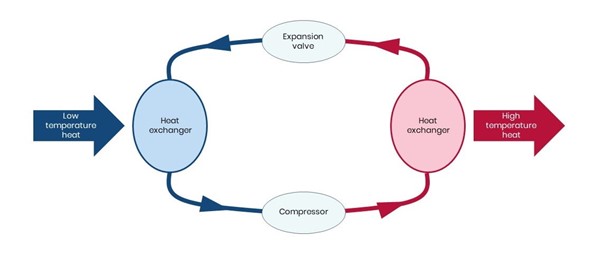
Everything around us contains thermal energy – or heat. Heat naturally flows from a warmer place to a colder place. To provide the heat energy in a home when outdoor temperatures are colder, we need heat to flow in the other direction – from a colder place to a warmer place. But how does it do it?

When the pressure of a gas increases, the temperature also increases. When the pressure decreases, the temperature decreases. This relationship between pressure and temperature is the key to how a heat pump works.
Servicing Images

The gas is called a ‘refrigerant’ and a heat pump uses electricity to compress this refrigerant, increasing the pressure and therefore the temperature.

As the refrigerant’s heat is transferred to your home through the heat exchanger, it cools down a little. The refrigerant is then allowed to expand so that it cools even further. It’s now cold enough to absorb more heat from outside and begin the process again.

The heat delivered to the heat exchanger can then be used to heat your home. This would normally be done using a central heating system.

Will installing a heat pump help save money on my heating bills?

While the compressor and pumps need electricity to work, they use less than the quantity of heat they move from outside to inside. The amount of heat energy moved versus the amount of electrical energy used depends on the source temperature and the output temperature, so it varies constantly throughout the year as outside temperatures change.

How this will affect your energy bill will depend on several factors, including:

  • What fuel you are replacing and how much it costs.
  • Your electricity tariff.
  • Which type of heat pump you install and how efficient it is.
  • The design of your central heating system.
  • Your location and its average air or ground temperatures throughout the year.

For people using gas boilers (not LPG or oil boilers), heat pumps are likely to be slightly more expensive to run unless particular attention is paid to ensuring maximum efficiency of the heat pump in the heating system by using best practice radiator / underfloor heating design. However, as utility prices fluctuate over time, we expect that heat pumps will become the cheapest as well as the lowest carbon form of heating available.

Enquiries

Complete the form below and your details are sent securely to us. We will take a look and get back to you just as soon as we can. Any problems, give us a call on 01227 265871.

If you are happy for us to contact you in the future with regards to the products or services we provide, please opt in by ticking the box. More information about what we do with the information that you provide in line with the General Data Protection Regulation can be found in our Privacy Policy.